How Do Robot Vacuums Navigate Around Furniture?
Robot vacuums have transformed cleaning by providing hands-free convenience. Their capacity to maneuver around furniture and obstructions is an important trait that enables them to clean effectively without human assistance. These gadgets use a mix of sensors, cameras, and cognitive mapping technologies to avoid colliding with furniture, walls, and other obstructions while providing complete floor coverage. Understanding how robot vacuums maneuver around furniture may help consumers get the most out of this technology and ensure peak performance in a variety of household settings.
How Robot Vacuums Use Sensors to Avoid Obstacles?
Infrared Sensors for Object Detection
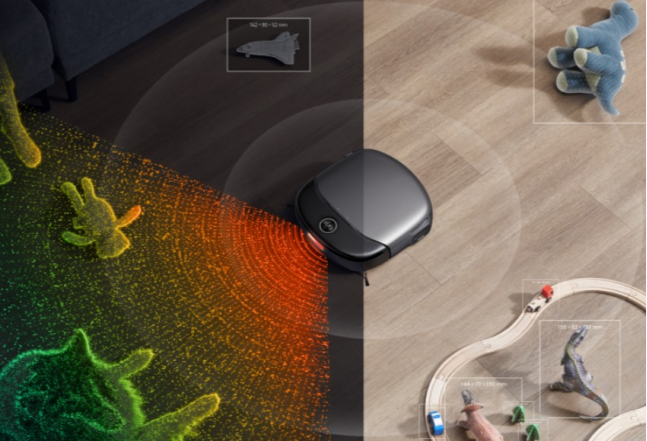
Robot vacuums commonly employ infrared sensors to identify things in their path. These sensors generate infrared light, which bounces off adjacent objects before returning to the sensor. The vacuum utilizes this information to detect impediments and modify its movement accordingly. Infrared sensors measure the distance between the vacuum and obstacles, allowing the robot to slow down or reverse course before colliding with furniture or walls. This form of sensing is particularly successful at avoiding furniture legs, tiny items, and low-profile impediments, allowing the robot to enter confined places and clean more efficiently.
Bumper Sensors and Physical Contact
Bumper sensors are physical contact sensors that detect when the robot vacuum collides with an item. These sensors are normally mounted on the robot's front and respond when the vacuum comes into contact with furniture or a wall. When the bump sensor is engaged, the vacuum reverses or changes direction. While less accurate than other sensor types, bumper sensors are essential for preventing the vacuum from becoming stuck or continuing to move in the incorrect direction after colliding with an object. This basic yet efficient technique helps with the whole navigation process.
LiDAR and Camera-Based Navigation
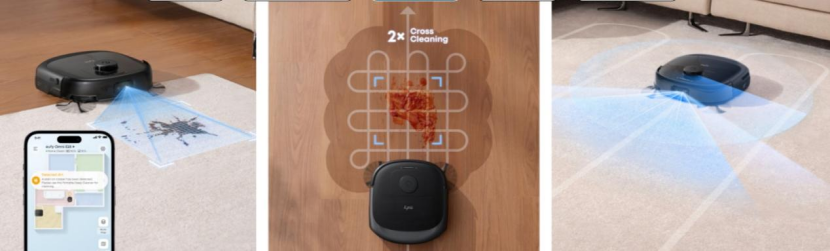
LiDAR (Light Detection and Ranging) and camera-based navigation technologies provide enhanced ways for robot vacuums to scan and navigate their surroundings. LiDAR systems employ laser beams to determine the distance between the vacuum and the objects in their path, resulting in a comprehensive 360-degree map of the environment. Cameras give visual data to supplement this, allowing the vacuum to detect and avoid furniture in real time. These technologies work together to provide very accurate navigation, allowing the robot to map the room and precisely change its course to avoid obstructions. LiDAR and cameras offer more advanced navigation, particularly in complicated layouts.
Mapping and Planning Paths Around Furniture
Simultaneous Localization and Mapping (SLAM) Technology
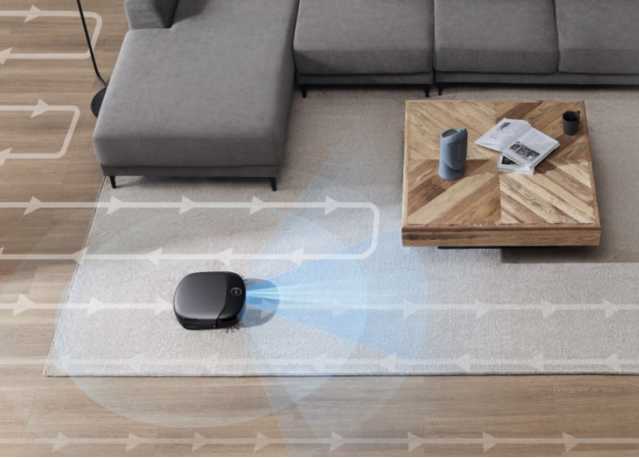
Robot vacuum navigation relies heavily on Simultaneous Localization and Mapping (SLAM) technology. SLAM allows the vacuum to map its surroundings in real time while also tracking its location in the environment. This technology allows the robot to create an exact depiction of the environment, including the placement of furniture and obstructions. SLAM guarantees that the vacuum navigates effectively, avoiding collisions and covering the whole room. By constantly updating the map as it goes, SLAM allows the vacuum to react to changes in the environment and ensures optimal cleaning pathways around furniture.
Pre-Programmed Cleaning Routes
Many robot vacuums come with pre-programmed cleaning paths to assist them in maneuvering around furniture more efficiently. These paths are intended to cover the whole region in a scientific and methodical manner, preventing the vacuum from missing or overlapping sections. Pre-programmed pathways sometimes use zigzag or spiral cleaning patterns to enhance coverage. These paths are based on the robot's first assessment of the room layout, which includes barriers such as furniture and walls. While some models allow customers to change the paths, pre-programmed cleaning guarantees that the vacuum delivers consistent and complete cleaning results.
Real-Time Adjustment and Recalculation
Real-time correction and recalculation are essential characteristics of robot vacuum navigation. As the vacuum finds new barriers, such as moving furniture or freshly placed things, it may change its course accordingly. This dynamic navigation guarantees that the vacuum does not become trapped or miss any areas of the room. The robot constantly recalculates its cleaning course based on the current surroundings, employing sensors and mapping technologies to provide an updated plan. Real-time modifications enable the vacuum to travel around furniture in a flexible and adaptive way, providing efficient cleaning even when unexpected changes occur in the room layout.
The Role of AI in Enhancing Navigation
Machine Learning Algorithms for Improved Performance
Machine learning techniques are critical for enhancing robot vacuum performance. These algorithms allow the vacuum to learn from its cleaning sessions and become smarter over time. As the vacuum experiences various barriers and challenges, it collects data and adjusts its navigation method to deal with similar circumstances more effectively in the future. Machine learning assists the vacuum in recognizing and avoiding specific impediments, optimizing cleaning paths, and reducing mistakes by evaluating environmental trends. This ongoing enhancement means that the vacuum's navigation gets more exact, particularly in homes with different furniture layouts and impediments.
Identifying and Memorizing Furniture Layouts
AI-powered robot vacuums can recognize and remember furniture configurations in a home. These vacuums use powerful sensors and machine learning to map the environment, identifying furniture and other impediments. Over time, the vacuum learns the layout of items and may adjust its route to avoid typical obstacles. Some types allow the vacuum to save several layouts, making it easier to clean various rooms with varying configurations. By learning the furniture layout, the robot can clean more efficiently, saving time navigating around common obstructions like chairs, tables, and sofas.
Adaptation to Different Furniture Types and Layouts
Robot vacuums are increasingly being created to fit a variety of furniture kinds and layouts. AI and powerful sensors enable these gadgets to recognise a wide range of furniture layouts, from enormous sofas to delicate furniture with small legs. The vacuum can adapt its cleaning path to avoid impediments such as low-profile furniture or intricate arrangements, preventing it from becoming stuck or missing regions. Modern robot vacuums' versatility allows them to clean varied rooms flawlessly, whether the furniture is spread out or densely packed, making them suited for a wide range of residential conditions. This adaptability increases the vacuum's overall efficiency and efficacy.
Conclusion
Robot vacuums are equipped with an array of navigation technologies that allow them to maneuver around furniture and obstacles with precision. From infrared sensors and LiDAR systems to advanced AI algorithms, these features enable the robot vacuum to create efficient cleaning paths and adapt to different environments. SLAM, real-time modifications, and machine learning enable the vacuum to navigate around furniture, even in complicated layouts. With continual developments, robot vacuums are becoming more intelligent and adaptive, making them a perfect solution for homes of various sizes and furniture arrangements.