What Is the Difference Between CCTV and Security Cameras?
Although security cameras and CCTV are frequently used interchangeably in monitoring systems, they are not the same. Both are intended to monitor activities and ensure safety, but they function differently and have distinct functions. When choosing the best solution for your security requirements, it is essential to comprehend the differences between these two technologies. When deciding between CCTV and security cameras for your property, this guide examines the distinctions, the technology underlying each, and important considerations.
What Is CCTV and How Does It Work?
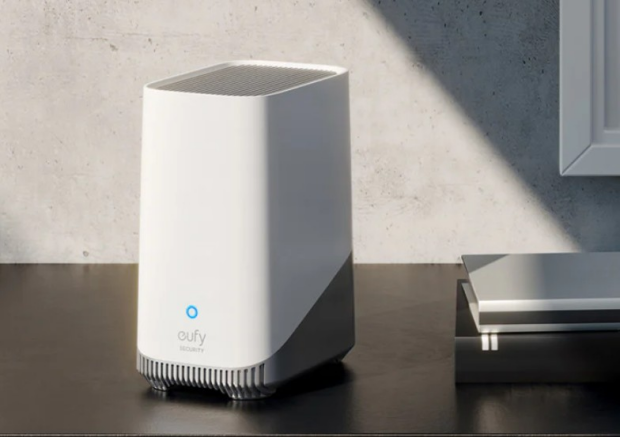
CCTV, or Closed-Circuit Television, is a system of cameras and monitors that broadcast video signals to particular places, typically for surveillance reasons. CCTV systems, unlike broadcast television, are "closed" in the sense that the video is delivered over private, secure lines, allowing only authorized personnel to access the film. CCTV systems generally include cameras, recording devices (DVRs or NVRs), and monitors. The cameras collect footage, which is then relayed to the recording device and saved for subsequent inspection. CCTV systems are widely utilized in commercial and industrial environments, providing high-definition video feeds and sophisticated monitoring features. They are useful for establishing a safe and regulated environment for large-scale monitoring.
What Is Security Cameras and How Does It Work?
The purpose of security cameras is to monitor and record actions that take place within a certain area in order to increase the level of security. Video footage is captured by them, and then it is sent to either a storage device or a monitoring system. It is possible for these cameras to be connected or wireless, and they may be equipped with functions like as motion detection, night vision, and remote administration. The operation of security cameras involves the transmission of video signals to a central system, either by wires or over Wi-Fi. The images captured by the cameras are then saved or examined in real time. Increasing the safety of homes, companies, and public areas, as well as providing proof in the event of an occurrence, they contribute to the prevention of criminal activity.
Key Differences Between CCTV and Security Cameras
Coverage and Scalability
CCTV systems are frequently configured for specific, permanent regions and may need extensive infrastructure for growth. Typically utilized in larger commercial or industrial locations, they provide centralized control but may be more difficult to scale or adapt to changing monitoring requirements. Security cameras, on the other hand, offer greater flexibility and scalability. Many current security cameras are wireless, making them easy to relocate and add to the system. Users may put them in a variety of locations and connect them to an existing network, providing additional flexibility for households and small enterprises. Scalability makes security cameras a better choice for dynamic contexts.
Installation Requirements and Cost Differences
CCTV systems often require expert installation since they entail sophisticated wiring, dedicated servers, and specialized equipment. The cost of installation may be greater owing to the necessity for specialist setup, particularly for big systems with several cameras. Security cameras, on the other hand, are typically easier to install, particularly wireless kinds that require no cabling and can be set up by homeowners or business owners themselves. As a result, the initial cost of security cameras is lower, and continuous maintenance is usually less expensive. While both systems have different pricing structures, security cameras are frequently the more affordable option for small to medium-sized setups.
Monitoring Options: Local vs. Remote Access
CCTV systems normally provide local monitoring, which means that the footage can only be accessed on-site via a linked monitor or recording device. Accessing CCTV footage remotely is seldom a feature unless extra equipment is installed, making it more suited for in-person monitoring. In contrast, security cameras often provide both local and remote access. Many contemporary security cameras link to the internet, allowing users to monitor live footage, get alerts, and retrieve stored footage from any location using a smartphone, tablet, or computer. This remote accessibility is a significant benefit for homeowners and companies looking to monitor their property on the move.
When to Choose CCTV or Security Cameras?
Ideal Environments for CCTV
CCTV systems are ideal for high-security areas, such as big commercial complexes, industrial sites, and government buildings. These facilities benefit from CCTV's centralized control and multi-area monitoring capabilities. CCTV is suitable for continuous, 24/7 surveillance and safe on-site film storage. It is particularly useful in situations when the installation of a complicated system is warranted, such as parking lots, warehouses, and essential infrastructure. CCTV provides durability and reliability for large-scale, stationary monitoring jobs that do not need frequent changes in surveillance coverage.
Best Use Cases for Security Cameras
Security cameras are perfect for private residences, small companies, and sites that require versatile and easily accessible surveillance. These cameras are ideal for situations that require remote monitoring, such as the front entrance, garage, or garden. Security cameras are frequently utilized in smart home systems, allowing owners to get real-time warnings and remote access through mobile devices. They are also widely used for monitoring areas that require constant alterations or expansions, such as workplaces, retail spaces, and residential buildings. Security cameras are ideal for personal or small-scale applications due to their versatility and ease of installation.
Factors to Consider When Making a Decision
The size of the property, your monitoring requirements, and your budget should all be taken into account when choosing between CCTV and security cameras. While security cameras are better suited for smaller or more dynamic settings, CCTV systems are preferable for large sites that need centralized monitoring and wide coverage. Another important consideration is the requirement for remote access; security cameras work best when off-site monitoring is required. Since CCTV may be costly to install and maintain, installation complexity and continuing expenses should also be assessed. The optimum solution for your requirements may be found by evaluating your security priorities, such as scalability, adaptability, and simplicity of use.
Conclusion
Choosing between CCTV and security camera systems depends on several factors, including the size of the property, monitoring needs, and budget. CCTV is best suited for big, secure locations requiring centralized, on-site monitoring, whereas security cameras provide flexibility, remote access, and ease of installation, making them great for households and small businesses. Both systems perform important tasks, but recognizing their distinct characteristics will help you choose the best option. Whether you choose the fixed reliability of CCTV or the contemporary, adjustable nature of security cameras, both provide critical safety for your property.